Automatic vs Manual
Liam Reilly
| 12-02-2026
 · Vehicle Team
Choosing between an automatic and a manual car can feel like deciding between two worlds.
One offers convenience, the other control. Your choice affects fuel efficiency, maintenance, resale value, and daily driving comfort.
Let's break down the pros, cons, and practical tips so you can make a decision that fits your lifestyle.
Understanding the basics
Before deciding, it helps to know how each transmission works.
- Automatic transmission: The car shifts gears on its own, letting you focus on steering and braking. Examples include traditional torque-converter automatics, CVTs, and dual-clutch systems. They're great for stop-and-go traffic and beginners.
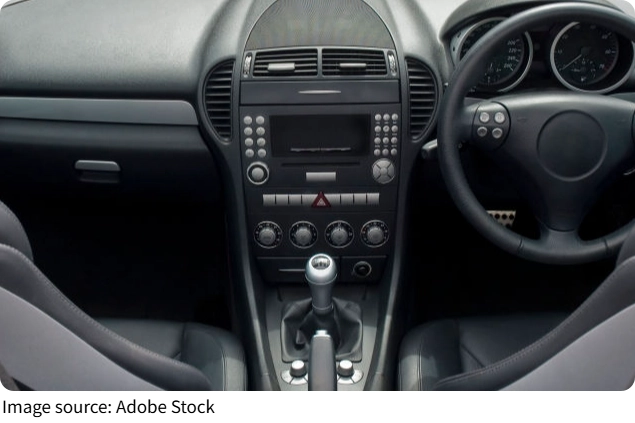
- Manual transmission: You control the gear changes with a clutch and gear lever. This gives you more engagement and control over acceleration and engine response. Performance cars often favor manuals for this reason.
- Hybrid approaches: Some modern cars offer automated manuals or paddle shifters, blending manual control with automatic convenience. Testing these options can help you see which feels natural.
Understanding these basics sets the stage for a practical comparison.
Daily driving convenience
How you drive every day often dictates which transmission is best.
- City driving: Automatics shine in congested traffic, as you avoid constant clutch use and gear shifts. For example, commuting 30–40 minutes in heavy traffic is easier in an automatic.
- Hilly terrain: Manuals give precise control on inclines. Using engine braking on steep descents or choosing the exact gear for uphill climbs can improve safety and fuel efficiency.
- Learning curve: Automatic cars are easier for beginners to pick up. A driver who recently got a license may prefer an automatic until they gain confidence with gear changes.
Considering your daily routes helps narrow your choice.
Performance and control
Manual transmissions often appeal to enthusiasts, but automatics have caught up.
- Acceleration control: Manuals let you choose when to shift, which can improve responsiveness. For instance, accelerating quickly out of a corner feels more precise with a manual.
- Engine braking: In challenging conditions like winding roads, manuals allow smoother control over deceleration without relying solely on brakes.
- Modern automatic performance: Many modern automatics, especially dual-clutch systems, match or exceed manual performance in acceleration times. Sports models with paddle shifters let you manually select gears without a clutch.
Performance needs may tip the scales depending on how much you value control versus ease.
Fuel efficiency and costs
Transmission choice affects both fuel bills and maintenance costs.
- Fuel efficiency: Traditionally, manuals were more efficient, but modern CVTs and advanced automatics can outperform manuals in city driving. For example, compact sedan with a CVT may save 10–15% fuel over its manual counterpart in urban routes.
- Maintenance costs: Manuals are cheaper to repair long-term, as they have simpler components. Automatics can be costly if the transmission fails or requires fluid replacement.
- Resale considerations: Automatics are more popular in most markets, which can improve resale value. Conversely, certain sports cars with manual gearboxes retain a niche collector appeal.
Balancing upfront cost, fuel efficiency, and long-term expenses helps clarify the better fit.
Comfort and lifestyle fit
Think beyond mechanics—consider how the car fits your life.
- Commuters: If you drive long distances in heavy traffic, an automatic reduces fatigue and stress.
- Weekend enthusiasts: Manual cars provide a fun, engaging driving experience for those who enjoy spirited weekend drives on open roads.
- Family and urban use: Automatics make it easier to focus on passengers and navigation, enhancing overall comfort.
Lifestyle alignment often matters more than performance specs.
Test drive and personal preference
Ultimately, nothing replaces hands-on experience.
- Try both: Schedule test drives in similar models with manual and automatic transmissions to feel the difference in handling and comfort.
- Evaluate ease of use: Note how comfortable you feel shifting gears in traffic or managing inclines with each type.
- Long-term satisfaction: Consider which option you'll enjoy day in and day out, not just for a single trip.
Your personal comfort and driving enjoyment are as important as technical pros and cons.
Choosing between automatic and manual isn't just about mechanics—it's about matching the car to your lifestyle, driving environment, and personal preference. Automatics offer ease, comfort, and modern performance, while manuals provide engagement, control, and sometimes lower long-term costs.
By evaluating daily driving needs, performance desires, cost considerations, and test-driving both types, you can confidently pick the transmission that fits you best.