Spot Real Diamonds Fast

Owen Murphy
| 06-05-2026
 · Lifestyle Team
You've probably held a sparkling stone in a jewelry store and wondered if it's the real deal.
Diamonds are famous for their fire and brilliance, but with so many imitations around, knowing how to spot authenticity is key. The good news is, you don't need expensive equipment to get a good idea.
A few simple tests and careful observations can help you distinguish a genuine diamond from a fake one.
Check the Sparkle and Brilliance
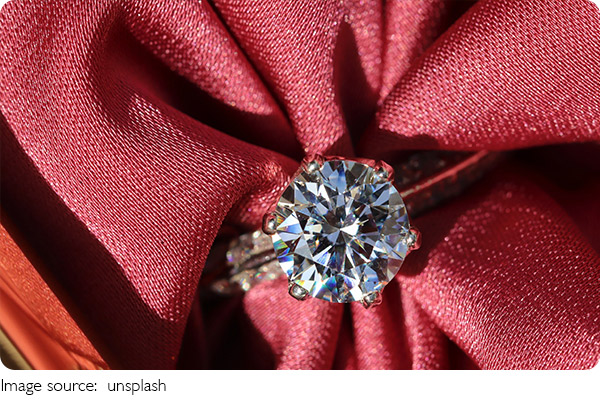
One of the first clues is how a diamond handles light. Real diamonds reflect light in a unique way—they produce both white flashes (brilliance) and colored flashes (fire). Fake stones often lack this dynamic sparkle, appearing flat or dull in certain lighting.
Steps:
- Hold the stone under bright light or near a window.
- Rotate it slowly and observe the flashes.
- Compare with a known genuine diamond if possible.
Actionable example: Take a small jewelry loupe and examine how the stone reflects light. A real diamond will scatter light in tiny rainbow-colored sparks, while glass or cubic zirconia usually gives a more uniform and less intense shine.
Fog Test for Breath
A surprisingly simple method involves your own breath. Diamonds disperse heat quickly, so when you breathe on a real diamond, the fog from your breath disappears almost instantly. Imitation stones often stay fogged for a few seconds.
Steps:
- Hold the stone between your fingers.
- Breathe gently on the surface to create fog.
- Observe how quickly the fog clears.
Actionable example: Try this on two stones side by side. If one clears instantly and the other lingers, the fast-clearing one is more likely genuine.
Water Drop Test
Density can help you identify authenticity. Real diamonds are dense, and water behaves differently on their surface compared to glass or synthetic alternatives.
Steps:
- Fill a cup with water.
- Drop the loose stone gently into the water.
- Observe whether it sinks quickly or floats.
Actionable example: A genuine diamond will sink immediately due to its high density, while most common imitations also sink but may behave differently in clarity and refraction, so this test alone is not fully reliable.
Examine Under Magnification
A close-up inspection reveals clues about authenticity. Real diamonds often have tiny natural imperfections called inclusions, while synthetic stones or glass are usually flawless.
Steps:
- Use a 10x magnification loupe.
- Look for small imperfections inside the stone.
- Check the edges; real diamonds have sharp, precise facets.
Actionable example: Inspect a loose stone under a jeweler's loupe. If you see tiny inclusions and crisp facet edges, it's likely genuine. However, some lab-grown diamonds can also contain inclusions, so this test should be combined with others.
Professional Certification and Expert Opinion
While home tests give a good indication, the most reliable method is verification by a certified gemologist. Certificates from trusted labs confirm the 4Cs—cut, clarity, color, and carat—ensuring authenticity.
Tips:
- Ask for a certified gemological report when buying high-value stones.
- Even if a stone passes DIY tests, a certificate provides peace of mind.
- Trusted jewelers often provide testing services for a small fee.
Actionable example: Before purchasing a solitaire diamond ring, request the certificate and verify the lab's authenticity online. This ensures you're getting exactly what you're paying for.
While simple at-home tests can help you quickly assess a diamond, no single method is completely foolproof. The best approach is to combine multiple observations—sparkle, fog response, magnification, and certification—to make a confident judgment. For high-value purchases, always rely on professional verification to avoid costly mistakes and ensure long-term value.