Johannesburg Beyond Headline
Ravish Kumar
| 05-08-2026
 · Travel Team
Johannesburg is often treated as a stopover city before visiting South Africa's wildlife destinations, but that decision can mean missing one of the country's most complex urban experiences.
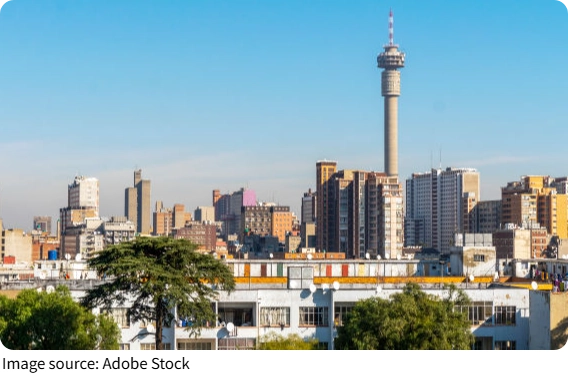
The city combines gold-rush history, modern art districts, township culture, and dramatic viewpoints shaped by its unique geography.
Hillbrow, one of Johannesburg's most recognizable inner-city neighborhoods, represents this complexity more than almost anywhere else.
For Lykkers, Johannesburg requires a different travel strategy from a typical city break. This is not a city where you should simply walk without a plan. The smartest approach is to choose a safe base, use reliable transportation, and explore specific districts during the right hours. A 2 to 4 day stay is enough to understand the city's character without rushing.
Johannesburg
Understand Johannesburg Before You Visit
Johannesburg is South Africa's largest city by economy and one of Africa's major business centers. Built around the discovery of gold in the late 19th century, the city expanded rapidly and developed into a place of contrasts: modern financial districts, historic neighborhoods, creative spaces, and areas facing major urban challenges.
Hillbrow is located near central Johannesburg and became famous for its high-rise buildings, dense population, and multicultural communities. The neighborhood was once one of the city's most prestigious residential areas, especially during the mid-20th century. Today, it is a place that reflects Johannesburg's social changes and urban transformation.
Decide whether Hillbrow belongs in your itinerary
Hillbrow is not a traditional tourist attraction. Travelers should visit because they want to understand Johannesburg's history and urban reality, not because they expect a polished sightseeing area.
For first-time visitors:
• Do not plan a casual walking tour through Hillbrow alone.
• Visit with a knowledgeable local guide or organized urban tour.
• Explore during daylight hours, preferably morning or early afternoon.
• Avoid carrying expensive cameras or valuables openly.
A guided inner-city tour usually costs around ZAR 400 to 900 per person depending on duration and inclusions. This option provides context that independent visitors often miss.
If your main goal is Johannesburg's famous attractions, areas such as Braamfontein, Maboneng, Constitution Hill, and Newtown are usually easier starting points.
Choose the right season and travel pace
Johannesburg sits at around 1,750 meters above sea level, giving it a mild climate compared with many African cities.
The best months are:
• March to May: comfortable temperatures, fewer visitors, clear skies.
• September to November: spring weather, pleasant outdoor conditions.
• June to August: dry weather and excellent visibility, but mornings and evenings can be cold.
Summer from December to February brings warmer temperatures and afternoon thunderstorms.
For a city visit, 3 days is ideal:
Day 1:
Understand Johannesburg's history.
Day 2:
Explore cultural districts and viewpoints.
Day 3:
Visit markets, museums, or take a nearby day trip.
Build a Safer Johannesburg City Route
Johannesburg rewards travelers who plan their movement. Distances are larger than they appear, and public transport is not always the easiest option for visitors.
Choose where to stay carefully
Your accommodation area has a major impact on your experience.
Recommended areas:
• Rosebank: Best overall choice for first-time visitors. It has shopping centers, restaurants, hotels, and easy access to attractions.
• Sandton: Best for business travelers and travelers who prefer modern hotels and security-focused facilities.
• Melville: Better for travelers who prefer cafes, independent shops, and a more relaxed atmosphere.
Avoid choosing accommodation only by the lowest price. A cheaper location may increase transportation costs and reduce convenience.
Typical hotel prices:
• Budget hotels or guesthouses: around ZAR 700 to 1,200 per night.
• Mid-range hotels: around ZAR 1,500 to 3,000 per night.
• Higher-end hotels: often above ZAR 3,500 per night.
Use transportation strategically
Johannesburg is spread out, so transportation planning matters.
Best options:
• Uber: the most practical choice for many visitors. Short city rides often cost around ZAR 50 to 150 depending on distance and traffic.
• Gautrain: useful for connections between Sandton, Rosebank, central areas, and OR Tambo International Airport.
• Rental car: useful for travelers planning wider exploration.
Gautrain airport connection:
• OR Tambo Airport to Sandton: around 15 minutes.
• Ticket price: usually around ZAR 200 to 250 one way.
Avoid walking long distances between neighborhoods, especially if you do not know the area. Johannesburg is not designed like compact European walking cities.
Experience the city beyond Hillbrow
A practical route:
Day 1: History and city identity
Visit Constitution Hill, a former prison complex that explains important parts of South Africa's history.
Then explore Braamfontein, known for restaurants, street art, and creative spaces.
Day 2: Urban culture
Visit Maboneng Precinct, a regenerated district with galleries, cafes, and weekend markets.
Spend time understanding the changing relationship between old industrial areas and new creative communities.
Day 3: Wider Johannesburg
Visit the Apartheid Museum or take a guided trip to Soweto.
The Apartheid Museum is one of the city's most important cultural sites. Allow at least 2 to 3 hours because the exhibitions are extensive.
A realistic 3-day Johannesburg budget:
• Accommodation: ZAR 2,100 to 9,000.
• Transportation: ZAR 300 to 800.
• Attractions and tours: ZAR 500 to 1,500.
• Food: ZAR 250 to 600 per day.
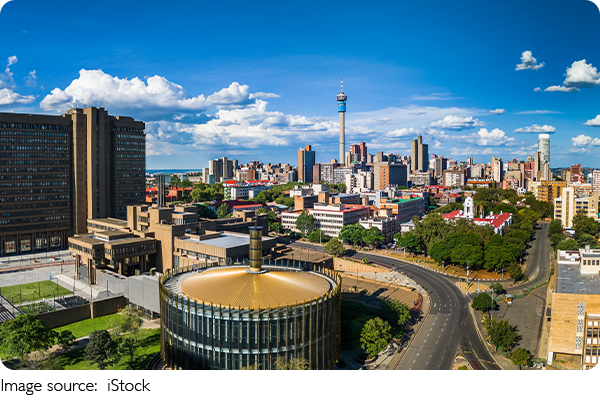
Johannesburg is worth visiting for travelers who want more than postcard scenery. Hillbrow, when approached responsibly, shows the city's complexity, while neighborhoods such as Rosebank, Maboneng, and Constitution Hill reveal its creativity and history. The key is not avoiding the city's difficult stories, but exploring them with preparation, respect, and realistic expectations.