Mid-Engine Magic

Caleb Ryan
| 07-09-2026
 · Vehicle Team
A sports car’s engine is more than a source of power. Where it is positioned within the chassis can significantly influence how the vehicle responds to steering, braking, and acceleration.
In a mid-engine configuration, the engine sits between the front and rear axles, placing a substantial mass close to the center of the vehicle.
This arrangement can help create responsive handling and balanced dynamics, making engine placement an important part of sports-car engineering.
Mass in the Right Place
A vehicle’s response to steering is influenced by how its mass is distributed. Heavy components positioned farther from the center contribute more to rotational inertia, which can make directional changes less immediate.
Moving the engine closer to the middle of the chassis reduces the distance between a major mass and the vehicle’s center. The result can be quicker transitions and a more composed response when the driver changes direction.
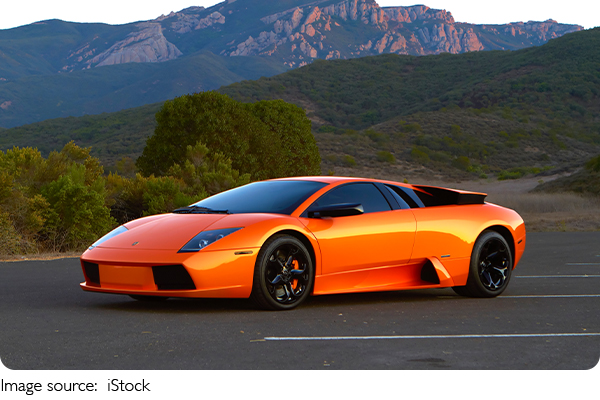
Designed for Cornering
A well-engineered mid-engine vehicle can achieve a balanced distribution of weight between its axles. This allows the front and rear tires to work effectively together during cornering, braking, and acceleration.
The engine position is only part of the equation. Suspension geometry, tire performance, steering calibration, aerodynamics, braking hardware, drivetrain layout, and chassis stiffness all determine how effectively the vehicle uses that configuration.
Engineering the Package
Placing the engine behind the cabin creates a demanding packaging challenge. Space must be carefully allocated for the powertrain, cooling equipment, exhaust components, suspension systems, and other mechanical hardware.
This can leave less room for luggage and require additional engineering to manage heat and cabin comfort. The result is a design that prioritizes vehicle dynamics while accepting certain practical compromises.
A Direct Response
One distinctive characteristic of a mid-engine sports car is its sense of immediacy. With a major portion of the powertrain located close to the vehicle’s center, the chassis can respond quickly to steering inputs when the suspension and tires are properly matched to the design.
The engine’s proximity to the cabin can also make changes in engine speed and mechanical sound more noticeable. Together, these characteristics can create a strong sense of connection between the driver and the vehicle.
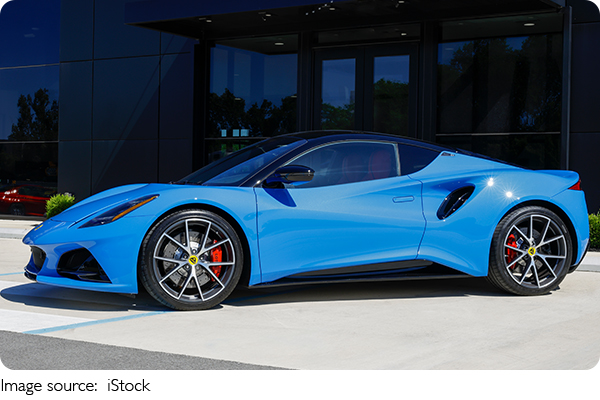
Why the Layout Matters
A mid-engine layout is not automatically better than every other configuration. Front-engine and rear-engine vehicles can also achieve exceptional handling when their chassis, suspension, tires, aerodynamics, and drivetrain are carefully developed.
What distinguishes the mid-engine approach is the opportunity to position a substantial mass near the center of the chassis. This can support agile directional changes, balanced handling, and precise responses when the rest of the vehicle is engineered around the layout.
Ultimately, the location of the engine is one of the fundamental decisions in vehicle design. It influences how a car distributes its mass, responds to driver inputs, and behaves when the pace increases. That combination of engineering and dynamics is what gives the mid-engine layout its distinctive character.